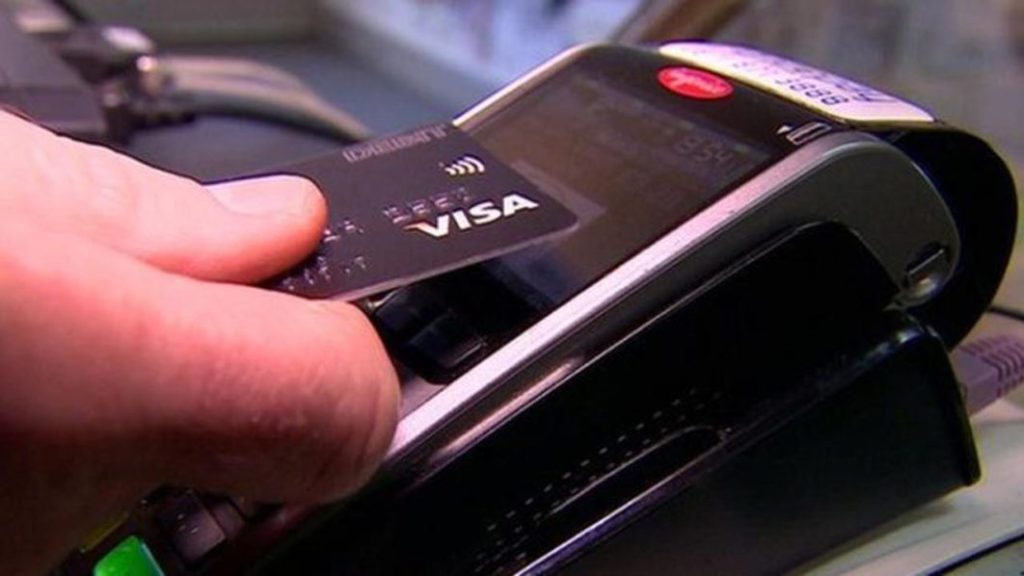
The cashless policy aims to curb some of the negative consequences associated with the high usage of physical cash in the economy, including the high cost of cash, high risk of using cash, high subsidy, informal economy, inefficiency and corruption (CBN, 2011). A cashless economy displays an economic situation whereby transactions are carried out without the need to move physical cash, and this is done with the use of credit card or debit card payments (Taiwo et al, 2016). The cashless economy does not mean a complete absence of cash transactions, rather it refers to cash transactions being kept at the barest minimum. It is an economic system where transactions are not predominantly characterized as an exchange for actual cash (Swartz, and Fermar, 2004).)
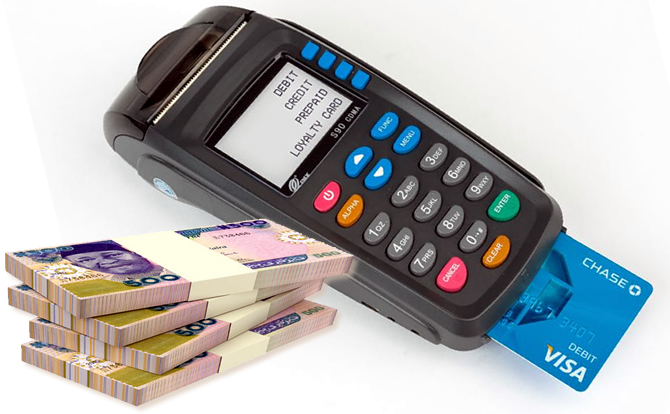
Before the advent of the cashless policy by the Central Bank of Nigeria in 2011, the Nigerian economy was in all ways duly cash-oriented in its transaction of goods and services which was contrary to the global trends. With the aid of paired data samples between 2007 and 2017, this article evaluates the impact of cashless policy on the Nigerian payment system. The operations of a cashless economy were assessed based on the use of Cheques, funds transfer channels and Automated Teller Machines (ATMs) Analysis of data showed that the volume and usage of cheques as a means of financial settlement has failed and was partially replaced by electronic payment systems. Banks are getting more involved in the use of interbank fund transfers rather than a cash settlement. It was also ascertained that the use of ATM’s as a means of financial intermediation is increasing. It is anticipated that the use of ATMs will become even more popular in Nigeria in the near future. To some extent, the outcome of the study has justified the implementation of the cashless policy initiative in Nigeria. However, the innovation and operations of the policy are not without its related limitations. There are various challenges associated with its practice, ranging from poor infrastructural facilities and difficulty in imbibing the e-payment culture due to illiteracy. Other socio-cultural factors that constitute an impediment include celebrations like weddings, birthdays and festivals. On such occasions, Nigerians prefer to ”display or spray raw cash’’ rather than issuing cheques. In the application of this strategy, there are certain causative return demerits and even to add, in most cases especially in metropolitan cities, certain fraudulent and risk-bearing scenarios are almost inevitable. This article proposes to review first the importance of cashless policy coupled with its merits, and demerits.
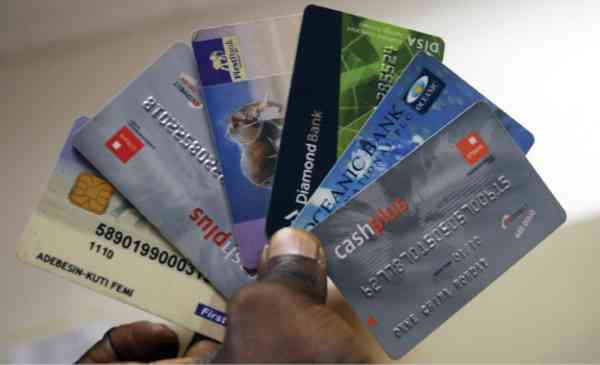
POSITIVE EFFECTS OF CASHLESS POLICY
i. Prompt settlement of transactions: The Central Bank of Nigeria (CBN) adopted the cashless economy policy initiative that was already in use globally for a number of key reasons. This includes the need to:
- Increase the development and modernization of the Nigerian payment systems in line with the vision’s 2020 goal to become one of the top 20 economies in the world by the year 2020.
- Create avenues for economic growth and to reduce the cost of banking services (including the cost of credit)
- Increase financial inclusion by providing more efficient transaction options that result in a wider reach.
- Improve monetary policy’s effectiveness in driving economic growth and managing inflation.
Thus, more effort needs to be put in place by the regulatory authority to re-orientate the masses and to encourage the use of E–payments channels, cheques, funds transfer options and, owning/ operating of bank accounts. This will give a further boost to the development of the Nigerian payment system.
Therefore, E-banking speeds up the settlement of transactions both locally and internationally, where the bank stands as paying bank to the customers for settlement of the transaction or as collecting bank for collection of payment on transactions; and as such funds can get across to various locations within munites which provides for security, and a stress-free transaction.
ii. Reduction in the frequency of visits to banks: Unlike before customers can now transact their banking businesses in branches nearer to them and they can also withdraw money from any ATM including the ones located outside the bank where they have an account. They can also transact banking business at home with the aid of the telephone.
iii. Stimulation of cashless policy: e-banking paves way for cashless society as the introduction of electronic machines has reduced the use of raw cash thereby transiting the country into a cashless society.
iv. Reduction of theft: since robbers are attracted by volume of cash movement through bullion vans, the use of alternative electronic payment system will no doubt reduce the incidence of robbery in the society, this is one of the reasons why CBN continues to emphasize that people should buy into the policy as soon as possible.
v. Clearance of goods: payment the system in the custom services help in ensuring easy facilitation of clearance of goods by an importer, this is apart from the fact that money due to the government would be paid electronically to the right account, thereby reducing the incidence of fraudulent practices of diverting government funds to individual pockets.
vi.Cash Management Cost Reduction: With cashless policy, CBN will reduce cash management costs by as much as N192 billion annually. CBN is of the opinion that the cash handling accounts for at least one-third of infrastructural and labor costs in the sector, hence cashless policy will impact negatively the employment of those handling cash in the bank. The policy will also reduce cash related vices like robbery, cost of processing cash, revenue leakages from the cash handling and inefficient treasury management through cash processing.
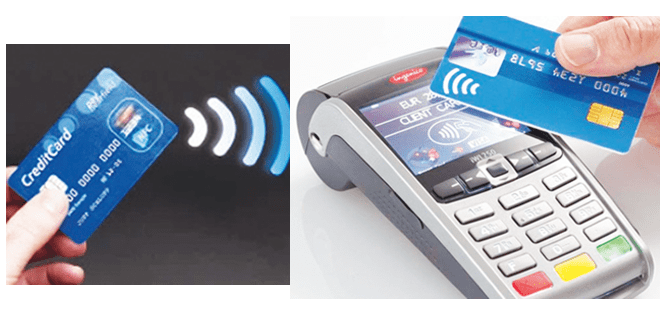
NEGATIVE EFFECTS OF CASHLESS POLICY
The following are the constraints that affect the effectiveness of e-banking in Nigeria presently:
i. Erratic power supply and communication link: Power failure negatively affects e-banking infrastructures like ATM, network failure of communication link due to much congestion, change in weather also affect the policy. With a poor power supply, transactions may be half-assedly terminated during the course.
ii. Non- existence of computer back-up: There is bound to be a total loss of data on customers’ accounts if there is no backup and the entire file is damaged. This may lead to misappropriation of customers’ account, hence the bank should maintain back up of all its information outside the bank’s premises.
iii. Inadequacy of funds to invest in information technology: Most banks find it difficult to fund procurement of modern equipment needed for e-banking. Nevertheless, there has been tremendous improvement in the automation of bank operations in the country in the last 5years but there are still rooms for further expansion so as to catch up with hi-tech, which is in vogue in developed countries.
iv. Replacement of workforce by machine: Electronic banking has now somehow reduced the number of employees needed to handle most transactions in the bank as most work done by workers is now being handled by machines thereby translating to an increase in the rate of unemployment in the country.
v. High bank charges for the use of e-banking machines: commission charged by the bank on ATM transactions, as an example, is too high, thereby discouraging customers from using it; Central Bank of Nigeria is working out a modality to stop forthwith charges for usage of ATM. This will be a sort of relief and stimulates the effectiveness of the policy in Nigeria if fully implemented.
vi. Low acceptance by the public: many people have burnt their fingers as a result of fraudulent withdrawals from their accounts through the use of ATM by unscrupulous individuals who believe in using master cards to withdraw money from unsuspecting individuals. Not to mention situations whereby customers are debited by the ATM with withdrawals not supported by cash that fail to drop down from the machine as expected. Customers are discouraged to use the machine as it takes a longer time before the wrong debit is reversed if it does not end up unsolved.
 AlabaMarket B2B Blog